A Q&A with New Zealand Actor, Author and Documentary Maker courtesy of WhatsOn
In Conversation with Julian Shaw | Actor and Filmmaker https://share.google/ASZgYPTWyNUlfpBNB

A Q&A with New Zealand Actor, Author and Documentary Maker courtesy of WhatsOn
In Conversation with Julian Shaw | Actor and Filmmaker https://share.google/ASZgYPTWyNUlfpBNB

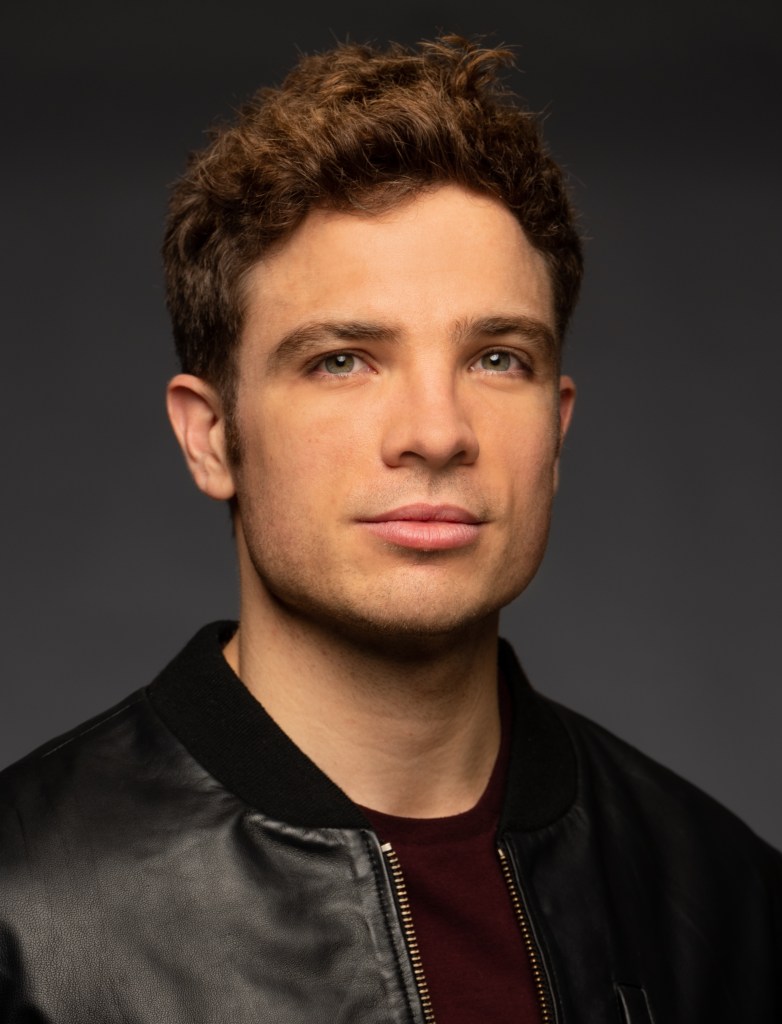
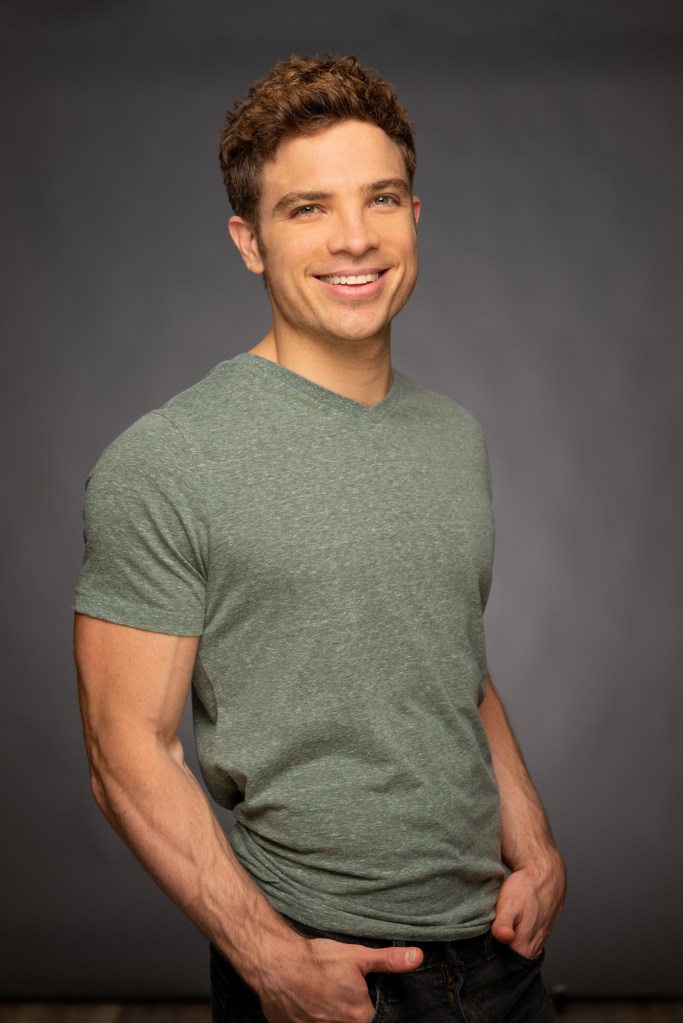
Originally from New Zealand before going to Australia before then making the leap to America, Julian Shaw has been gradually been carving out his on path in the arts. In the fifteen years he’s been acting he’s had cameos in big films including the action hit San Andreas. He has also starred in the campaign for Marriage Equality ‘It’s About Time’.Aside from acting he has ventured out into making documentaries so as to help give a voice to the unheard stories. He talks to Adam about his beginnings in Acting, preparing for the lead in Looking For Dr Love and his future plans
“Don’t wait for opportunities — create them”
Your foray into acting began when you were 15 with the documentary, Darling! The Pieter-Dirk Uys Story.
How did that come about?I saw Pieter-Dirk perform at the Sydney Opera House and immediately knew I wanted to make my first documentary about him. In his show, he spoke about traveling South Africa educating young people about HIV/AIDS. I was deeply inspired by his mission and wanted to amplify his message any way I could.
For those who haven’t seen it can you explain what it’s about?
It’s a portrait of Pieter-Dirk’s life as an anti-apartheid entertainer in the 80s, and his transition into becoming a tireless educator around AIDS awareness, particularly for young people.
What caused you to first get the acting bug?
A desire to perform and bring joy to audiences has been with me for as long as I can remember. The technology and formats have changed, but I think I was born with the bug.
You starred in a Human Rights campaign for Marriage Equality called It’s About Time. What was it about the project that inspired you to get involved?
It was hard to believe same-sex marriage wasn’t legal in Australia, especially given it was a popular issue with bipartisan support. The creative pitch made me tear up when I first read it, and more importantly, it felt like it could genuinely reach people who might not support the issue and shift their perspective.
In regards to representation of LGBT+ Culture how do you think things have progressed since?
The real progress is that it’s largely become a non-issue. Stories depicting LGBT+ culture are now simply seen as entertainment, not niche content.
There was a storyline in Neighbours, which involved Matt Wilson and Takya Honda, and the outcome would’ve depended entirely on which way the Marriage Equality Act would’ve gone
I didn’t know that — but today I learned.
Would you be open to playing a Gay/Bisexual character if you were offered a role?
A character’s sexual preference is a non-factor in my decision. The more interesting question is whether it’s appropriate in 2026 for a straight actor to be cast in those roles.
The main things that many international audiences will know Australia for eg; Home and Away, Neighbours, Heartbreak High, Prisoner Cell Block H, Wentworth and most recently Return to Paradise. Are there any other TV series that we should be looking for?
I personally consume very little Australian media, but there is an incredibly strong pipeline of talent coming through.
You’ve been in America for a few years now and have appeared in films such as San Andreas and First & Second. Can you tell us more about your experiences working on those films
I actually filmed San Andreas in Australia, funnily enough. It was a huge confidence boost. It reinforced that whether you’re on a low-budget student film or a $100 million Hollywood production, the core job as an actor remains the same.
Also how did those parts come about?
San Andreas cast me locally through a standard audition process — in the room, not via self-tape as is more common now. I was cast in Sydney and then traveled to the Gold Coast to film.
“Documentary allows you to strip away the masks people wear and reveal something real”
And you got the lead role in the film Looking for Dr. Love. How did that come about?
I booked it through a Zoom audition, performing around 20 pages of scenes — first in an American accent, then in my natural voice. In the end, we chose to keep the character American, which was a great opportunity to refine the accent.
Was there any level of difficulty making that change from being a supporting character to lead character?
In many ways, it’s easier being the lead. The workload is higher, but there’s momentum and continuity that help you stay immersed and build a stronger arc. The more challenging scenario is stepping onto a set for a day or two where a rhythm is already established.
Also lead you’re one of the characters carrying the film?
Yes — and that’s the most rewarding part. You have more canvas to work with and can really shape the full emotional journey of the character.
You’re an actor, director and screen-writer and you played a Radio DJ for your part in the film. Did you shadow Radio DJ’s to understand the technical aspects for the role?
The director, Peter Foldy, has a strong background as a musician, so I leaned on his experience for the technical aspects of the role.
As an actor are there more opportunities for actors in the USA arts scene as compared to Australia and New Zealand?
There are more opportunities in the States, but also more competition — so it balances out. Ultimately, I believe you should live where you want to live and build your life around that. For me, that’s the U.S.
If an interesting part was being cast in an Australian/New Zealand film or TV series would you consider it?
Absolutely. That said, my focus is now largely in the U.S., and all of my representation is based here.
Would that include the UK and Ireland as well?
In a heartbeat.
You did a documentary called “Cup of Dreams”, is it in a similar vein to The Australian Dream in regards to its storytelling?
I haven’t seen The Australian Dream, but I know it’s highly regarded. In terms of exploring the intersection of sport and cultural identity, there’s definitely thematic overlap.
What is it about Documentary making that drew you to it?
What I’m most drawn to — in both art and relationships — is peeling back the layers to get to someone’s raw, authentic truth. Documentary allows you to strip away the masks people wear and reveal something real.
So it’s more about providing a platform for others to give a voice and audience for their stories?
That’s a great way to put it.
To any aspiring Actors, Writer’s, Directors who want to hone their skills what advice would you give them?
Don’t wait for opportunities — create them. YouTube is one of the best platforms to showcase your personality and storytelling in a way that allows for more depth than short-form content.
So can we expect more documentaries from you in the future and will they be available to watch in the UK?
I’m currently finishing a new documentary, Acting Hard, and we’re aiming for a global release by early 2027.
If you were to talk to the teenage self who first decided to embark on a career in the Arts what advice would you give?
The process will fulfill you far more than any accolades or awards. And: rest — don’t quit.
We’re nearing halfway through 2026 what can we expect from you as we continue through the year?
I’ll be completing the documentary I’m co-directing, while also producing a separate project where I’m the subject. It explores my transition into becoming an online fetish content creator, and the impact that has on my relationship.


